
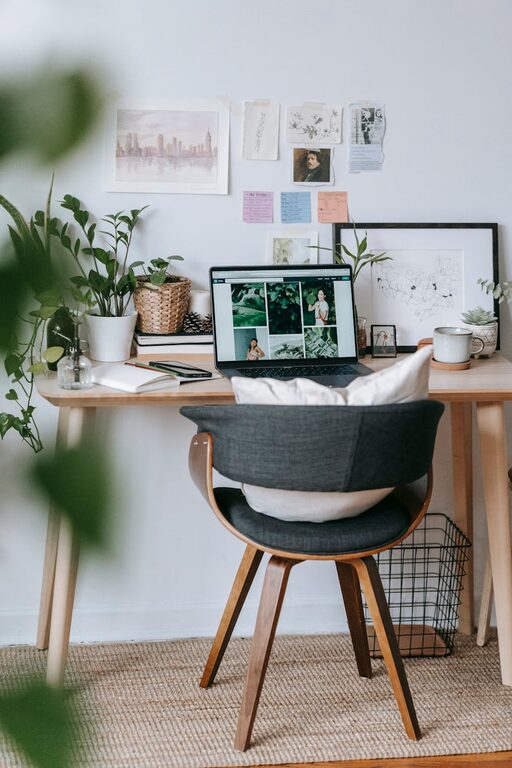
Creating a home workspace that is both relaxing and productive is essential for anyone working remotely or managing tasks from home. A well-designed area can help you focus better, reduce stress, and maintain motivation throughout your workday. Here are some simple tips to help you craft a space that supports your work and wellbeing.
Choose the Right Location
Selecting the best spot for your workspace is the first step. Ideally, find a quiet area with minimal distractions. This might be a spare room, a corner of the living room, or even a section of your bedroom.
Factors to consider:
– Natural light: Position your desk near a window to benefit from daylight, which can boost mood and alertness.
– Away from high-traffic areas: Try to avoid spaces where household members frequently pass by or gather.
– Privacy: If possible, choose a space where you can close the door or separate the area with screens or room dividers.
Invest in Comfortable Furniture
Comfort directly impacts productivity and relaxation. An uncomfortable chair or desk can cause physical strain and reduce your focus.
– Ergonomic chair: Look for one that supports your lower back and encourages good posture.
– Appropriate desk height: Your desk should allow your arms to rest comfortably with elbows at about 90 degrees.
– Consider a standing desk: Alternating between sitting and standing can improve circulation and energy levels.
Organise Your Workspace Efficiently
Clutter can be distracting and stress-inducing. Keeping your workspace tidy helps maintain a clear mind.
Tips for organisation:
– Use storage solutions like filing cabinets, shelves, or desk organisers.
– Keep only essential items on your desk to reduce visual clutter.
– Develop a routine to tidy your space at the end of each workday.
Personalise Your Environment
Adding personal touches can make your workspace more enjoyable and inviting, which can encourage longer periods of focus.
– Display a few favourite photos, art, or plants.
– Choose a colour scheme that is calming; soft blues, greens or neutrals are good options.
– Use accessories like cushions or rugs to add warmth and texture.
Manage Lighting Wisely
Proper lighting is key to reducing eye strain and maintaining energy.
– Make the most of natural light but avoid direct glare on screens.
– Use adjustable desk lamps for focused light.
– Consider softer, warmer lighting for early mornings or late afternoons.
Minimise Noise Distractions
Noise can disrupt concentration, so it’s important to manage it where possible.
– Use noise-cancelling headphones or play gentle background music or white noise.
– Add soft furnishings (curtains, rugs, cushions) to absorb sound.
– Inform others in your household about your work schedule to reduce interruptions.
Maintain Good Air Quality and Temperature
A fresh and comfortable environment helps maintain focus and wellbeing.
– Open windows regularly to allow fresh air circulation.
– Use indoor plants to improve air quality naturally.
– Ensure your workspace is neither too hot nor too cold for comfort.
Take Regular Breaks
A relaxing workspace also encourages you to step away and recharge.
– Use the Pomodoro Technique: work for 25 minutes, then take a 5-minute break.
– Stand up and stretch or take a short walk.
– Hydrate regularly and have healthy snacks nearby.
Use Technology to Your Advantage
The right tools can help you stay organised and reduce stress.
– Use apps or planners to schedule tasks and breaks.
– Invest in a good-quality keyboard and mouse for comfort.
– Keep cables organised with clips or sleeves to avoid tangling.
Keep Work and Home Life Separate
Creating boundaries between work and relaxation time is important when your workspace is at home.
– If possible, keep work materials out of sight after work hours.
– Change into comfortable clothes after finishing for the day.
– Use routines to signal the start and end of your workday.
—
By following these simple tips, you can create a home workspace that not only improves your productivity but also offers a relaxing atmosphere where you feel comfortable and focused. Remember, small adjustments can make a big difference to how you work and feel at home.