
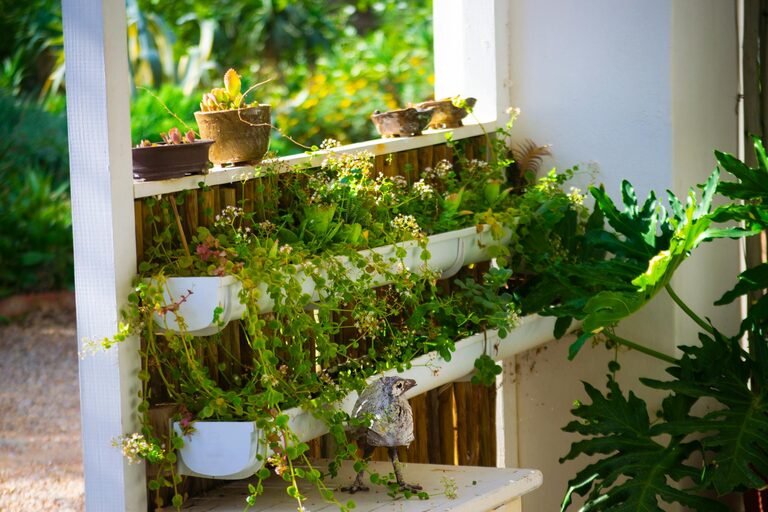
Creating a sustainable garden at home is a rewarding way to care for the environment while growing beautiful plants and even your own food. Sustainable gardening focuses on minimising waste, protecting natural resources, and encouraging biodiversity. Whether you have a small balcony or a spacious backyard, adopting some simple practices can make a big difference.
In this guide, we’ll explore practical tips to help you build a sustainable garden that benefits both you and the planet.
Plan Your Garden Thoughtfully
Before planting, take some time to plan your garden space. Consider the climate, soil type, and amount of sunlight your garden receives. Choose plants that are well adapted to these conditions, as they’ll require less water and maintenance.
Choose Native and Drought-Tolerant Plants
Native plants are naturally suited to your local environment and support local wildlife such as bees, butterflies, and birds. Drought-tolerant plants reduce your need for watering, especially important in dry periods.
Improve Your Soil Naturally
Healthy soil is the foundation of a sustainable garden. To enrich your soil without synthetic fertilisers, consider the following:
– Composting: Use kitchen scraps, grass clippings, and leaves to create nutrient-rich compost. This improves soil fertility and structure.
– Mulching: Apply organic mulch like bark, straw, or leaf mould around plants to retain moisture, regulate temperature, and reduce weeds.
– Avoid Chemicals: Limit or eliminate the use of chemical pesticides and fertilisers, which can harm beneficial insects and soil life.
Save Water with Efficient Practices
Water conservation is key in sustainable gardening. Here are ways to reduce water use:
– Water at the Right Time: Early mornings or late evenings are the best times to water, to reduce evaporation.
– Use Rainwater: Collect rainwater in barrels or containers to water your garden naturally.
– Drip Irrigation: Install drip irrigation or soaker hoses that deliver water directly to plant roots, cutting down waste.
– Group Plants by Water Needs: Organise your garden so plants with similar watering requirements are together, making watering more efficient.
Support Wildlife and Biodiversity
Encouraging wildlife creates a balanced ecosystem and supports pollination.
– Create Habitats: Provide bird feeders, insect hotels, or small ponds to attract beneficial creatures.
– Grow a Variety of Plants: Cultivate flowers that bloom at different times to provide a food source throughout the seasons.
– Avoid Pesticides: Let natural predators like ladybirds and spiders help control pests instead of chemicals.
Reuse and Recycle in the Garden
Sustainability involves reducing waste wherever possible.
– Reuse Containers: Old pots, crates, and pallets can be repurposed into plant holders or garden furniture.
– Recycle Green Waste: Chop pruned branches and leaves to use as mulch or add to your compost pile.
– Choose Sustainable Materials: Opt for tools and supplies made from recycled or eco-friendly materials.
Grow Your Own Food
Growing your own vegetables, herbs, and fruits reduces food miles and packaging waste.
– Start Small: Even a few pots of herbs on a windowsill make a difference.
– Use Organic Seeds: Look for organic or heirloom seeds to promote biodiversity.
– Practice Crop Rotation: Changing the types of plants grown in an area every season helps prevent soil depletion and disease.
Maintain Your Garden Responsibly
Regular upkeep keeps your garden healthy and sustainable.
– Prune Properly: Remove dead or diseased branches to promote growth and reduce pests.
– Harvest Rainwater Smartly: Use collected water wisely to avoid waste.
– Monitor Soil Health: Adjust soil pH, and add compost or natural amendments as needed.
—
Creating a sustainable garden is about making thoughtful choices that nurture the environment and create a pleasant space for you and wildlife. By planning carefully, conserving resources, and fostering biodiversity, your garden will flourish in harmony with nature. Start small, enjoy the process, and watch your sustainable garden grow!