
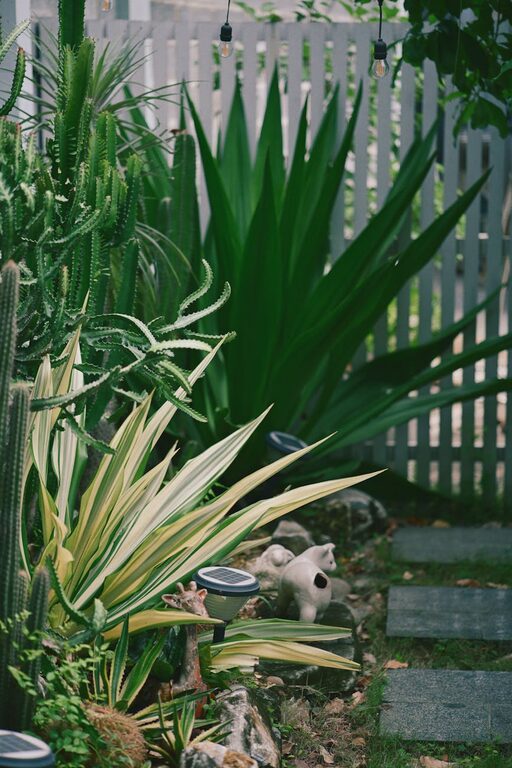
Creating a relaxing outdoor garden space at home is a wonderful way to enjoy nature, reduce stress, and add beauty to your property. Whether you have a large garden or a small patio, with thoughtful planning, you can design an outdoor area that offers comfort and tranquillity. In this post, we’ll explore practical tips to help you build a peaceful garden space where you can unwind, read a book, or simply breathe fresh air.
Why Create a Relaxing Outdoor Garden?
Spending time outdoors has many benefits for mental and physical wellbeing. A calm garden space encourages relaxation, helps reduce anxiety, and even boosts creativity. Gardens can become your personal sanctuary—a place to escape the hustle and bustle of daily life.
Planning Your Outdoor Space
Before planting or buying garden furniture, it’s important to plan carefully.
Assess Your Space
Start by measuring the area you want to transform. Consider sunlight exposure, privacy, and existing plants or structures. Note places that receive plenty of sun and those shaded by trees or buildings, as this will influence plant selection.
Set a Purpose
Decide how you want to use your garden. Will it be a quiet reading nook, a space for yoga, or an area to host friends? Your purpose will guide the design choices, from the layout to the types of seating and plants.
Choosing Comfortable Furniture
Comfortable seating is key to a relaxing garden space.
– Chairs and benches: Look for ergonomic designs with cushions for extra softness.
– Hammocks or swings: These add a fun, relaxing vibe and suit lazy afternoons.
– Weather resistance: Choose materials like treated wood, metal, or all-weather wicker that can withstand outdoor conditions.
Don’t forget a small table to hold your tea, books, or gardening tools.
Selecting Plants for Serenity
Plants are the heart of any garden and play a huge role in creating a peaceful atmosphere.
Opt for Soothing Colours
Greens, blues, purples, and soft whites tend to create calm feelings. Lavender, hydrangeas, and hostas are good choices.
Mix Textures and Heights
Combine shrubs, flowers, and tall grasses for visual interest and to encourage biodiversity. Tall plants can provide privacy and reduce noise.
Incorporate Fragrant Plants
Scents like rosemary, jasmine, and mint not only smell lovely but can also help promote relaxation.
Keep Maintenance in Mind
Choose plants that suit your climate and require a care level you can handle. Perennials and native species usually need less attention.
Add Water Features
Water sounds have a soothing effect and can mask unwanted noise.
– Small fountains: Easy to install and maintain.
– Ponds: Suitable for larger areas and support wildlife.
– Birdbaths: Attract birds and add movement to your garden.
Use Lighting to Enhance Atmosphere
Lighting extends your garden’s usability into the evening and creates a cosy ambience.
– Solar-powered lights: Eco-friendly and simple to install along paths or borders.
– String lights: Ideal for seating areas or pergolas.
– Lanterns and candles: Add a gentle, flickering glow that feels warm and inviting.
Consider Garden Décor and Personal Touches
Personalising your garden will make it feel truly relaxing.
– Outdoor rugs or cushions: Bring indoor comfort outside.
– Wind chimes: Add gentle sounds.
– Statues or art pieces: Reflect your personality.
– Raised flower beds or pots: Add colour and frame your space neatly.
Create Shade and Shelter
To make your garden usable in various weather, think about shade options.
– Pergolas or gazebos: Provide structure and shelter.
– Umbrellas: Flexible and easy to move.
– Climbing plants: Grow on trellises or pergolas for natural shade and greenery.
Keep Your Garden Tidy and Inviting
A well-maintained garden invites relaxation.
– Regularly clear debris and weeds.
– Prune plants to keep shapes neat.
– Ensure pathways are clear and safe.
– Replace or clean seating cushions as needed.
Final Thoughts
Designing a relaxing outdoor garden space requires a mix of planning, good plant choices, comfortable furnishings, and thoughtful details. By following these tips, you can create a peaceful garden sanctuary right at home—a perfect place to recharge and enjoy the outdoors.
Remember, the most important part is that your garden suits your tastes and needs. Take your time to experiment and adjust as your garden grows and changes through the seasons. Happy gardening!