
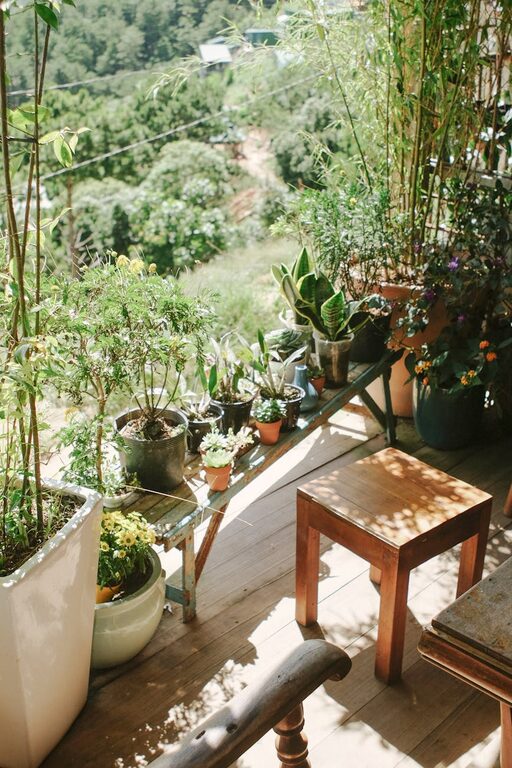
Creating a relaxing garden space at home can be a wonderful way to enhance your well-being and bring a touch of nature into your daily life. Whether you have a large garden or a small balcony, thoughtful planning and design can transform any outdoor area into a peaceful retreat. This guide offers practical tips to help you create a calm, inviting space tailored to your tastes and lifestyle.
Why Create a Relaxing Garden Space?
Spending time outdoors can reduce stress, improve mood, and boost creativity. A dedicated garden space provides a personal sanctuary where you can pause, reflect, or simply enjoy the beauty around you. With some effort, your garden can become an oasis away from the hustle and bustle of everyday life.
Planning Your Garden Space
Assess Your Area
Start by taking note of your available space, sunlight patterns, and existing features like trees, fences, or patios. Understanding these factors helps you decide what plants will thrive and where to position seating or decorations.
Define Your Purpose
Ask yourself how you intend to use the garden. Do you want a space for meditating, reading, socialising, or growing herbs and flowers? Clear goals guide the design process and make your garden more functional.
Choosing the Right Elements
Comfortable Seating
Invest in comfortable garden furniture such as benches, hammocks, or cushioned chairs. Consider weather-resistant materials like treated wood, metal, or rattan for durability. Adding soft cushions and throws will increase comfort and invite relaxation.
Soothing Plants
Select a variety of plants that appeal to your senses. Lavender, jasmine, and rosemary not only look attractive but also offer calming scents. Evergreen shrubs provide year-round greenery, while seasonal flowers add colour and vibrancy. Incorporate plants of different heights and textures to create visual interest.
Water Features
A small water feature, such as a fountain or birdbath, introduces gentle sound and helps mask urban noise. The sight and sound of trickling water are known to promote relaxation and attract wildlife like birds and butterflies.
Lighting
Soft lighting extends the usability of your garden into the evening. Solar-powered lanterns, fairy lights, or candles can create a warm, inviting atmosphere. Position lights along paths, around seating areas, or near plants for subtle illumination.
Natural Materials
Use natural materials like stone, wood, and bamboo for pathways, borders, or decorative elements. These complement the garden’s organic feel and help maintain a serene environment.
Creating Privacy and Shelter
Privacy is key to feeling at ease in your garden. Use hedges, trellises with climbing plants, or garden screens to block views from neighbours or busy streets. Additionally, consider installing a pergola or canopy to provide shade on sunny days and shelter from light rain.
Adding Personal Touches
Decorate your garden to reflect your personality. This could include wind chimes, sculptures, plant pots, or a small herb garden for cooking. Personal touches make the space uniquely yours and more enjoyable to spend time in.
Maintenance Tips for a Relaxed Garden
Keeping your garden in good condition helps maintain a calming atmosphere. Regularly prune plants, remove weeds, and tidy seating areas. However, try not to overdo maintenance, as the garden should retain a natural, inviting look.
Bringing Mindfulness to Your Garden Routine
Use your garden as a space for mindfulness and relaxation. Spending a few minutes each day observing plants, listening to birds, or simply breathing deeply can have a positive impact on mental health.
Conclusion
Designing a relaxing garden space at home is both enjoyable and rewarding. By assessing your space, choosing the right plants and features, and adding personal touches, you can create a peaceful outdoor haven that enhances your quality of life. Remember that simplicity and comfort are key—your garden should be a place where you feel calm, refreshed, and truly at home.